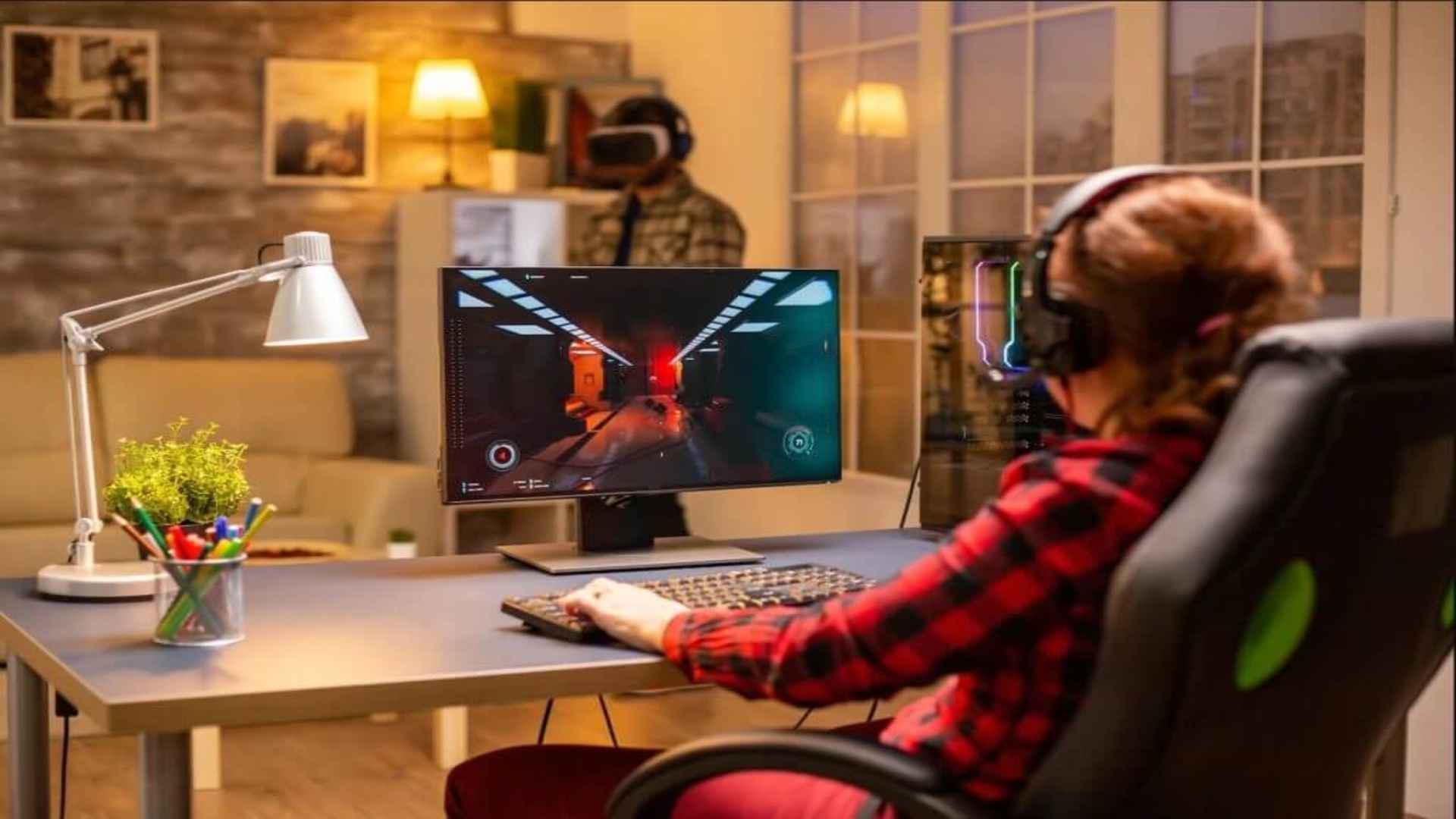
Modern video games have evolved far beyond linear challenges, increasingly incorporating unpredictable elements to sustain long-term player interest. At the center of this structural framework is the strategic integration of unexpected mechanics that transform routine activities into exciting events. By understanding the true value of these systems, developers can craft deeply immersive environments that satisfy a wide variety of player personas.
The Psychology of Unpredictable Loot Loops
Human psychology is naturally drawn to uncertainty, which explains why variable reinforcement models are exceptionally effective at driving community involvement. When an item drop is guaranteed and entirely predictable, the underlying excitement tends to fade quickly into monotony. By introducing elements of chance, interactive design taps into a fundamental desire for discovery and surprise.
This dynamic triggers a heightened sense of anticipation that makes standard milestones feel much more satisfying. Players are motivated to continue their digital journeys not just for the ultimate goal, but for the thrill of what might drop next. Consequently, these randomized frameworks play a pivotal role in shaping long-term user behavior and retention trends.
Balancing Chance and Player Skill
Implementing randomness requires a delicate touch to ensure that virtual landscapes remain fair and balanced for everyone. If the distribution algorithms rely too heavily on pure luck, dedicated players might feel their efforts are entirely undervalued. Conversely, setting the probability of rare drops too high diminishes the actual prestige of acquiring elite gear.
Achieving this equilibrium means combining structured progression paths alongside surprise bonuses to maintain an inclusive environment. Many contemporary developers now display transparent drop rates to build trust within their global communities. Enthusiasts looking for competitive digital spaces often visit a reliable M88 link to engage in dynamic challenges that test their tactical foresight.
Enhancing Replay Value Across Genres
From massive multiplayer role-playing titles to fast-paced strategy games, random rewards serve as an excellent tool for boosting replayability. By scattering randomized items across expansive maps, designers successfully encourage users to venture far beyond the main narrative path. This variance ensures that no two interactive sessions feel completely identical, keeping the core gameplay loops fresh.
Furthermore, seasonal occurrences and time-sensitive campaigns utilize temporary reward pools to generate a natural sense of urgency. These limited-time events break up the standard progression lines and provide casual players an immediate reason to return. Ultimately, the intentional design of unexpected drops enriches the gaming landscape by continuously introducing novel moments of joy.
The Future of Dynamic Reward Systems
As machine learning and data analytics continue to advance, the architecture behind variable distribution systems is undergoing a major shift. Future game designs will likely implement adaptive reward models that adjust directly to an individual's personal playstyle and skill progression. This evolution promises to deliver highly unique experiences that feel distinctly tailored to each participant.
By shifting away from rigid statistical frameworks, developers can prevent player fatigue and cultivate deeper digital loyalty. The ongoing intersection of algorithmic allocation and personalization will redefine how audiences connect with virtual economies. Maintaining a thoughtful balance between predictability and chance will remain central to the long-term success of the gaming industry.