The casino landscape has transformed drastically over the decades, evolving from heavy mechanical hardware into sophisticated software ecosystems. What started as simple entertainment in local venues has grown into a multi-billion dollar digital network available to global audiences. Understanding this long-term progression helps casual players appreciate the technological marvels that power their current gaming experiences.
The Mechanical Foundations of Reel Entertainment
In the late nineteenth century, early prototypes relied entirely on springs, physical gears, and iron levers to determine gameplay outcomes. These traditional three-reel configurations were entirely physical, meaning users manually pulled a side handle to initiate a spin. The rewards were often distributed as simple tokens or flavored chewing gum rather than substantial financial payouts.
As industrial manufacturing advanced throughout the twentieth century, electromechanical components slowly replaced the older purely manual frameworks. This technological shift allowed developers to introduce automated payout trays and larger coin capacities for greater player convenience. Despite these updates, the core game mechanics remained tied to physical limitations and limited combination possibilities.
The Digital Leap into Virtual Software
The true revolution occurred during the late twentieth century with the introduction of microprocessors and computer-generated graphics. Physical reels were replaced by digital displays, which allowed creators to design much larger virtual payline networks. This crucial transition paved the way for modern video slots, introducing complex mathematical structures that transformed the traditional casual loop.
Central to this digital evolution was the introduction of the Random Number Generator to secure every spin outcome fairly. This specialized software continuously produces long sequences of numbers, ensuring that every individual round remains independent from past results. Consequently, gaming fairness reached unprecedented standards, giving enthusiasts a much more trustworthy environment to explore.
The Rise of Immersive Online Ecosystems
When the internet became globally accessible, software studios eagerly shifted their focus toward building expansive virtual casino hubs. Players no longer needed to plan long trips to physical venues just to enjoy their favorite pastime. Instead, complex gaming titles became accessible through secure web portals, sparking an era of rapid creative experimentation.
Modern virtual setups now feature incredible visual depth, dynamic audio design, and complex secondary mini-games. Finding the right platform to enjoy these advanced options can greatly enhance your digital session and give you reliable software access. Navigating to an established hub for your M88 login helps you discover safe, high-quality slot variants that suit your personal entertainment preferences.
The Mobile Shift and Creative Future
Today, the focus has moved heavily toward mobile optimization and cross-platform compatibility for on-the-go access. Advanced mobile operating systems enable flawless performance, maintaining detailed animations and complex bonus tracking on smaller handheld screens. This accessibility ensures that enthusiasts can engage with high-definition digital titles anytime they choose.
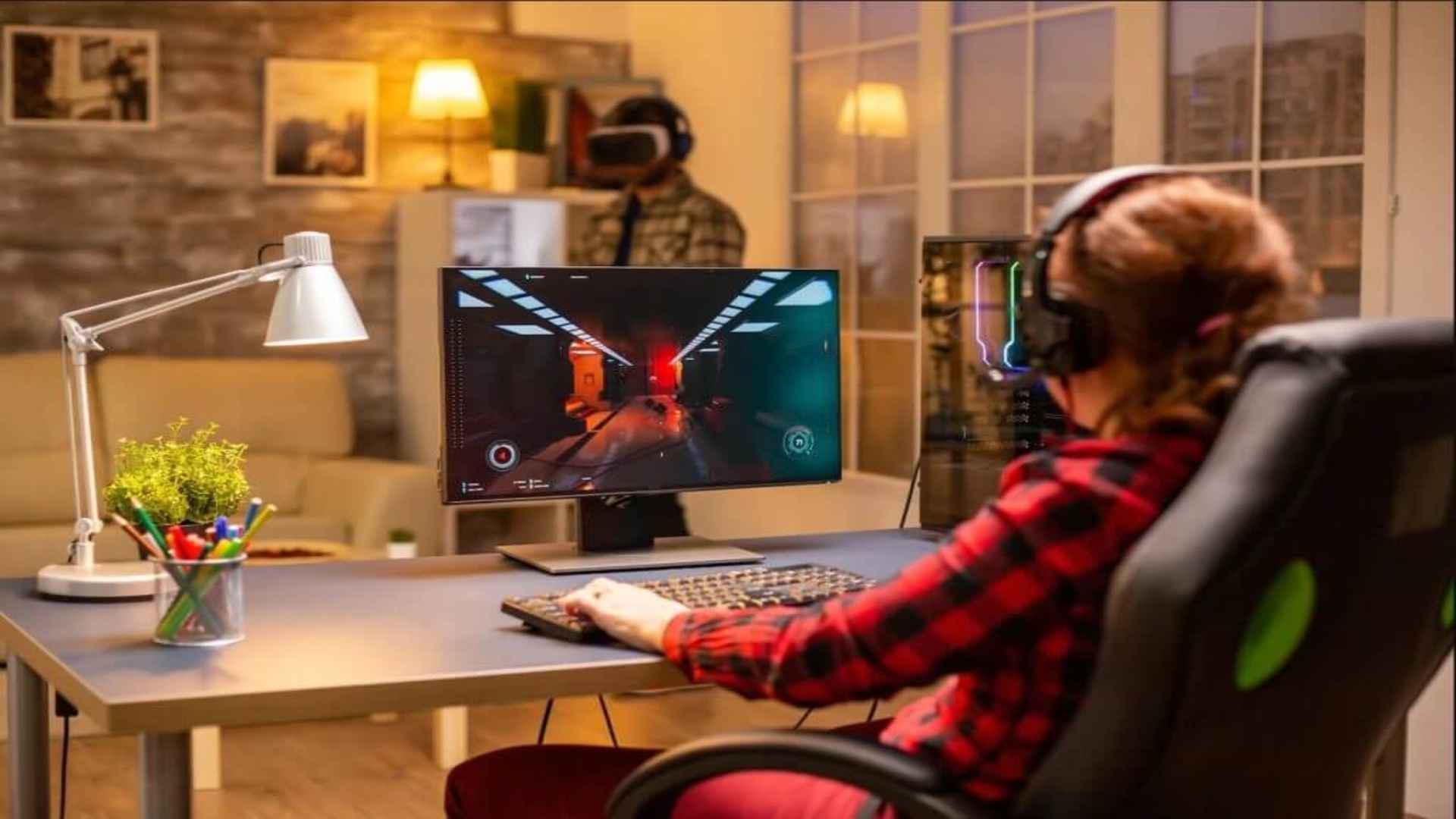
Looking ahead, emerging technologies like artificial intelligence and virtual reality promise to push interactive parameters even further. Future variations will likely provide highly tailored experiences that adjust dynamically to individual playing styles and choices. The ongoing story of slot design shows that innovation will continue shaping this casual pastime for years to come.