The landscape of modern casino gaming is heavily dominated by streamlined, automated mechanics designed for rapid outcomes. However, early gambling houses thrived on a completely different philosophy centered around community and active player roles. Exploring the history of these traditional setups reveals a forgotten era where the entertainment value came directly from the participants themselves.
The Shared Dynamics of Early Gaming Tables
In classical European card rooms, games were rarely a simple race against an automated house system. Instead, players routinely took turns managing the financial stakes and dealing the cards, which fundamentally altered the social energy of the room. This direct involvement meant that every decision carried personal weight and created a deeply shared competitive atmosphere.
As these traditions faded, the industry shifted toward standardized formats where a centralized dealer or digital program controls the entire flow. While modern efficiency allows for faster rounds, it often lacks the psychological tension that made older formats so captivating. The charm lay not just in the potential payout, but in the active social performance required by the table rules.
How Digital Platforms Bridge the Historical Gap
The advent of online gaming platforms has introduced a fascinating paradox by attempting to recreate these interactive environments virtually. Modern live dealer systems combine traditional human presentation with sophisticated software to bring back the community-driven aspect of classic card rooms. This evolution ensures that the traditional emphasis on human presence remains accessible to a global audience.
Enthusiasts looking to explore these interactive formats can easily find modern alternatives that respect classical table rules. Utilizing a reliable platform option like the m88 login alternatif link allows players to experience a wide array of dynamic, multiplayer environments. These digital spaces carefully balance automated transaction speed with the engaging live visuals that modern players expect.
The Multi Player Appeal of Classical Rules
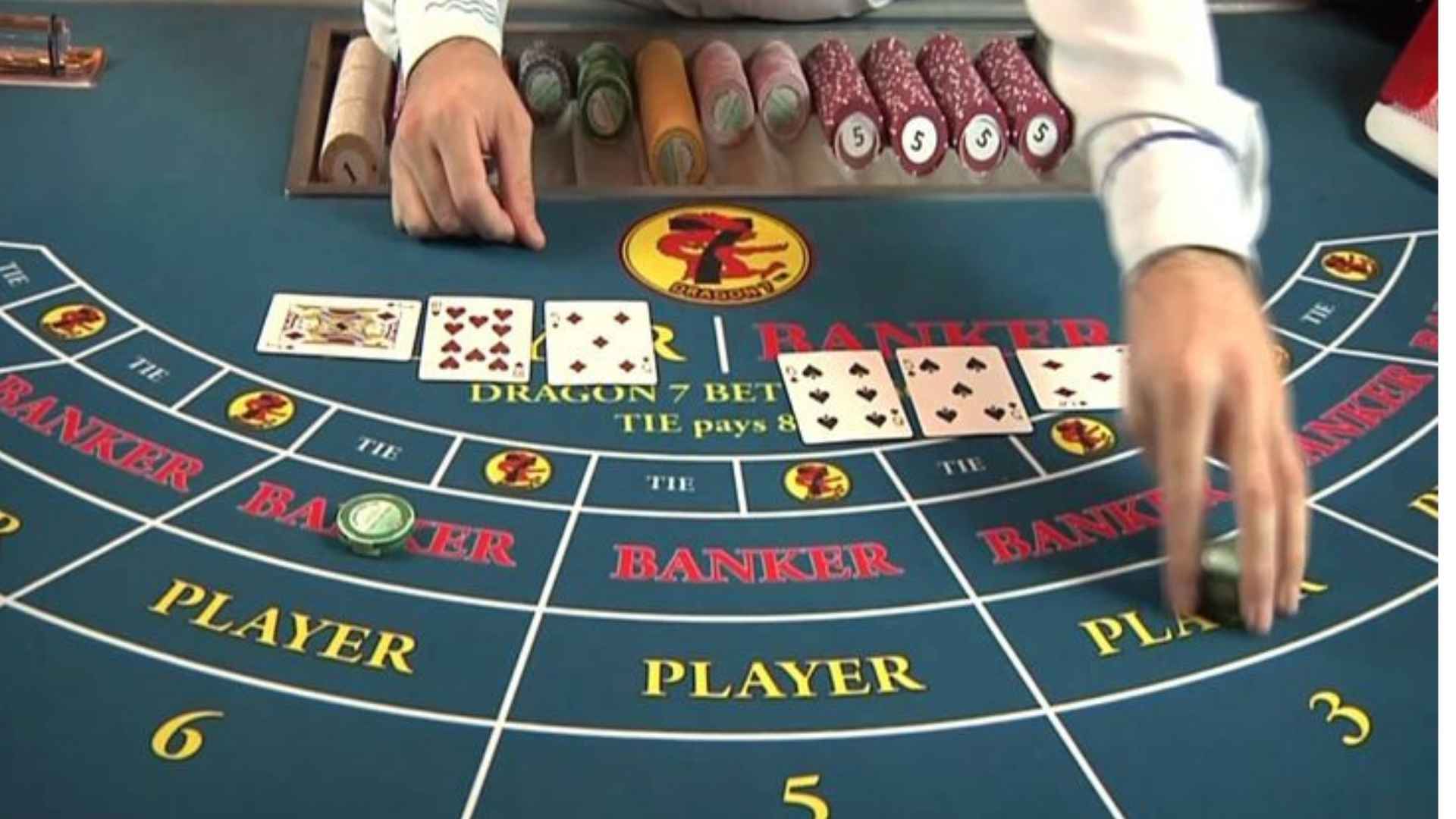
Traditional variants like Baccarat Banque and Chemin de Fer are excellent examples of systems built entirely around human choice. In these historical configurations, the drawing rules allowed for tactical flexibility rather than forcing mandatory actions. This strategic freedom encouraged participants to closely observe their opponents and adapt their timing based on pure table awareness.
When players are given genuine responsibility over the outcome of a round, the entire gaming experience shifts from passive observation to active engagement. This older design philosophy reminds us that the foundational appeal of casino entertainment was heavily tied to social connection. Uncovering these participatory elements provides a richer perspective on how contemporary gaming continues to evolve.