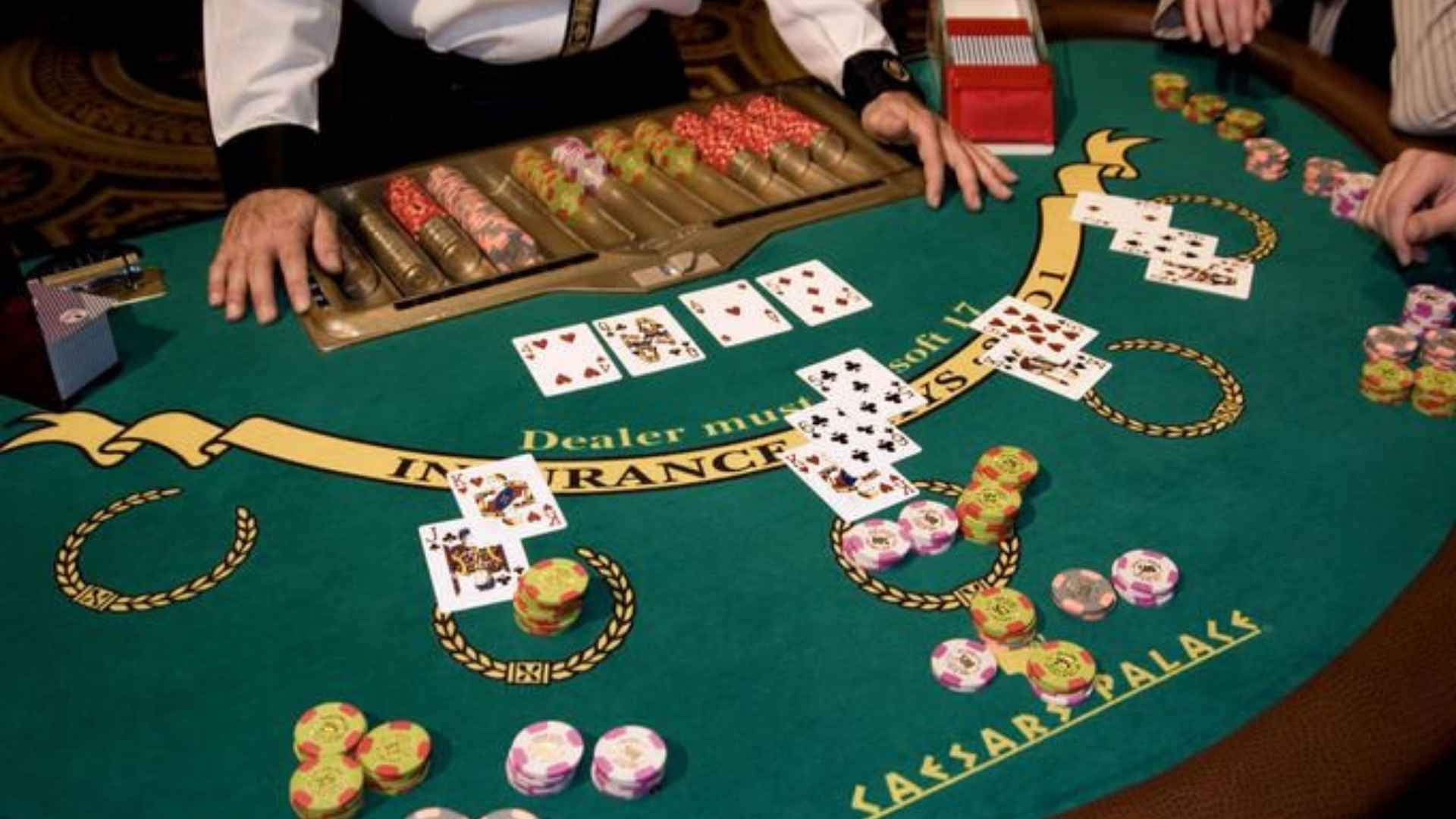
In card games, timing often dictates the outcome of an entire match, making the decision of when to play specific cards a core strategic element. Players who move their cards without foresight frequently find themselves trapped with limited options during critical moments. By understanding how to carefully release cards at the right instant, enthusiasts can control the tempo of the game and significantly raise their chances of victory.
Maintaining Board Control Through Patience
Releasing cards too quickly into the tableau or foundation can inadvertently lock away valuable tools needed for upcoming turns. Holding onto crucial cards provides a safety net that allows you to adapt whenever the game layout becomes unpredictable. Strategic patience ensures that every played card serves a distinct purpose rather than being a forced reaction.
When players systematically analyze the entire board before making a move, they maintain greater influence over available sequences. Keeping flexible options open prevents the build-up of dead ends that often derail promising games. Experienced enthusiasts who visit m88 casino appreciate how structured decision-making and calculated pacing can enhance success across different card formats.
Unlocking Hidden Potential in the Tableau
Every tableau contains key blocked cards that must be revealed to establish a winning momentum across the board. Prioritizing card releases that directly uncover face-down options is far more beneficial than making empty transfers. This focused approach opens up vital pathways and creates necessary room to maneuver high-value ranks.
Calculated releases also allow you to build balanced columns that accommodate incoming cards of alternating suits. By prioritizing column depth and exposure, you minimize reliance on random stock draws. Every deliberate movement should aim to expand your overall field of play while reducing unnecessary risk.
Managing the Stockpile and Foundation Pace
The stockpile serves as a secondary resource that should be integrated thoughtfully rather than exhausted in haste. Rushing cards into foundation piles can leave tableau columns unsupported, effectively removing landing spots for future plays. Pacing these transfers guarantees that mid-rank cards remain available to bridge complex sequences.
A well-timed release strategy balances immediate foundation gains with long-term tableau stability. Players should constantly evaluate whether sending a card upward benefits their entire structure or merely provides a temporary advantage. Mastering this equilibrium transforms routine card play into a highly refined strategic exercise.
Adapting Strategy to Limited Card Choices
When available options diminish, the strategic importance of planning each release becomes even more pronounced. Evaluating potential outcomes two or three steps in advance helps identify which cards must remain in reserve. This forward-thinking mindset turns tight board conditions into opportunities for clever tactical maneuvers.
Ultimately, consistent success relies on recognizing that not every valid move is a smart move. By mastering the discipline of planned card releases, players elevate their gameplay and build habits that ensure sustained progress across every session.