Modern game design balances structure and uncertainty to create compelling interactive experiences. By introducing elements of chance, creators ensure that no two playthroughs feel identical, keeping players engaged over extended periods. Understanding how randomness functions allows developers to build systems that reward skill while celebrating unexpected outcomes.
The Balance Between Skill and Randomness
In many popular titles, chance serves as a tool to level the playing field between novice and veteran players. While pure strategy games require strict mechanical mastery, incorporating probabilistic elements introduces unpredictable variables that demand real-time adaptation. This dynamic ensures that players must constantly evaluate risk rather than relying solely on memorized routines.
Game designers carefully calibrate probability models to prevent outcomes from feeling unfair or arbitrary. When implemented effectively, random events encourage creative problem-solving and strategic flexibility. Players learn to manage uncertainty, turning sudden setbacks into opportunities for clever tactical comebacks.
How Probabilistic Mechanics Enhance Engagement
Unpredictable rewards stimulate curiosity and maintain long-term interest across various gaming formats. Whether opening loot drops or encountering randomized map layouts, the anticipation of an unknown result triggers heightened emotional investment. This psychological effect keeps the gameplay loop fresh and rewarding for diverse player demographics.
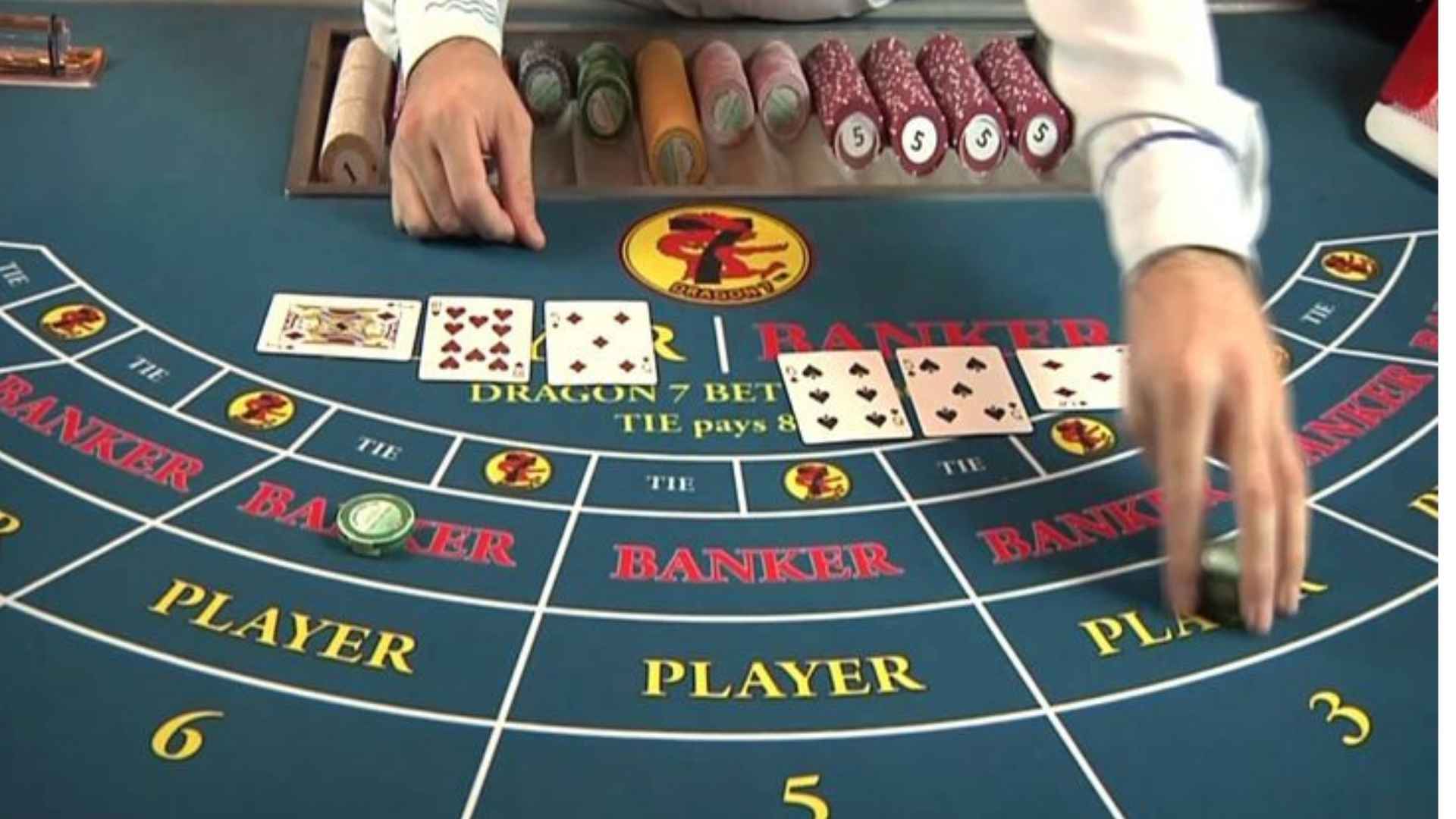
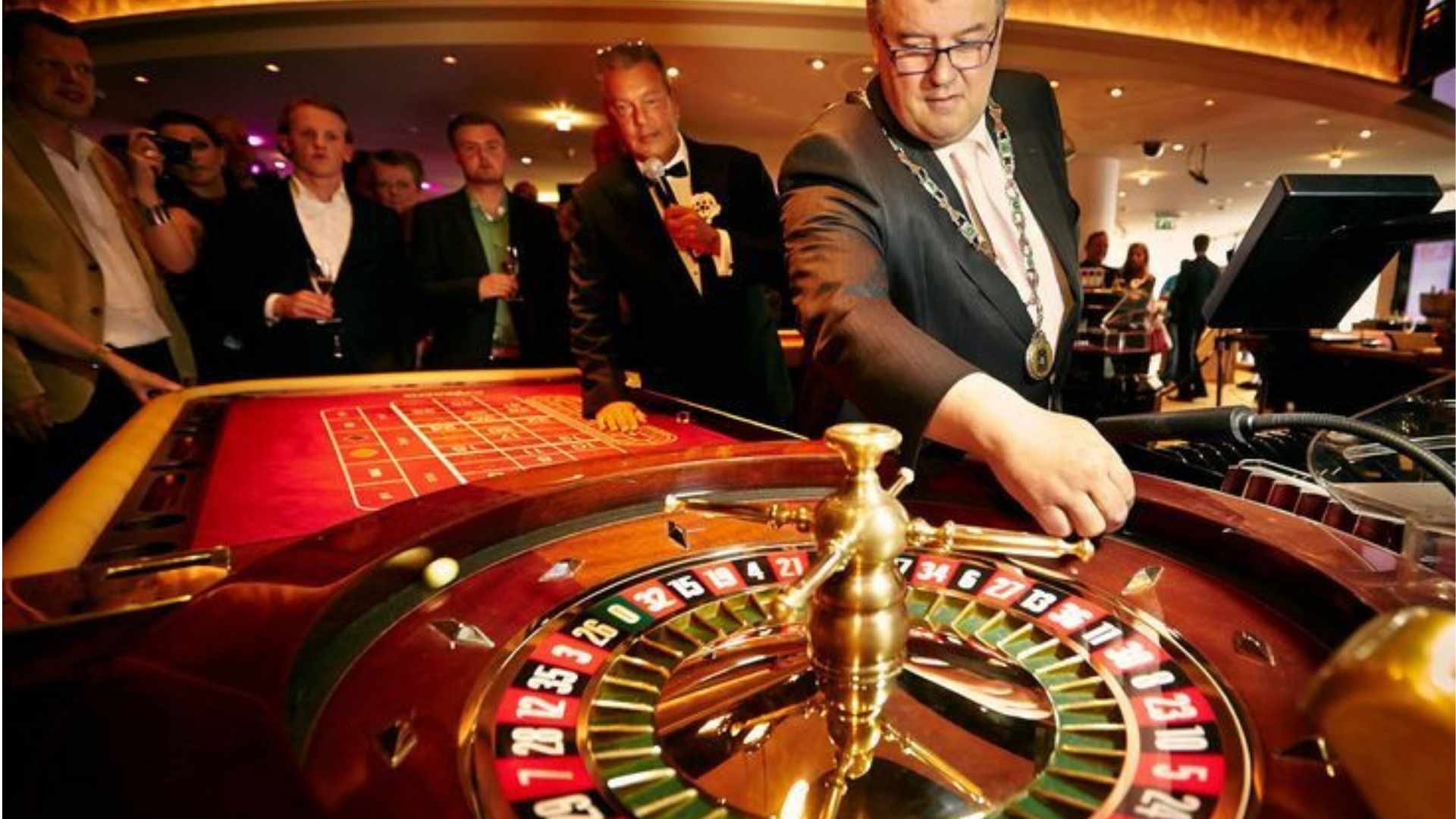
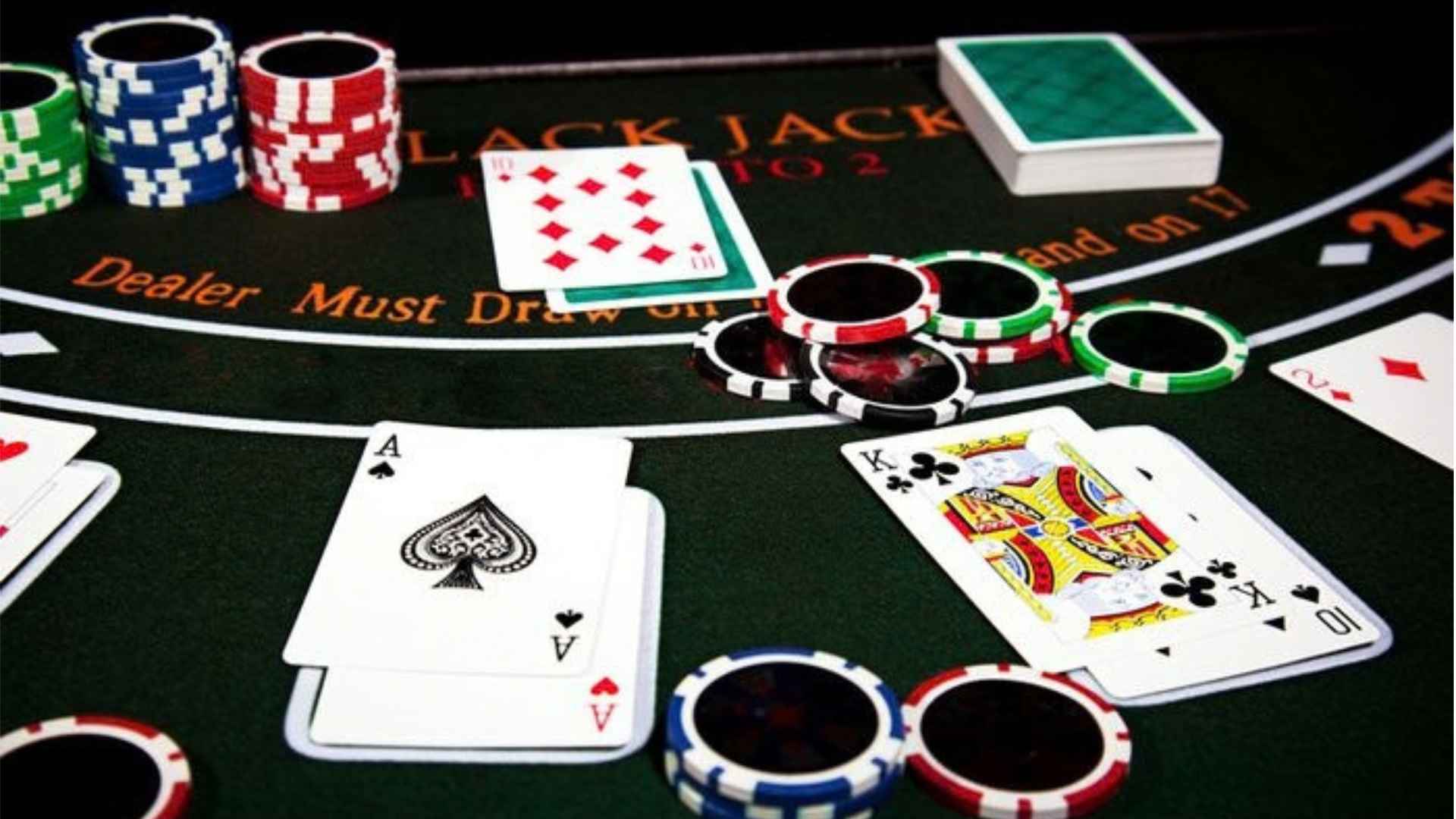
From digital card titles to classic table games, probability forms the core backbone of player motivation. Interactive gaming environments, such as those found at m88 casino, demonstrate how weighted odds can create genuine excitement through unpredictable session results. Understanding these underlying mechanics helps players appreciate the delicate craft behind modern entertainment systems.
Input Randomness Versus Output Randomness
Designers typically divide chance into two distinct categories: input randomness and output randomness. Input randomness occurs before a player makes a decision, such as drawing a hand of cards or generating a random map terrain. This approach challenges players to construct a strategy based on the specific scenario presented to them.
Output randomness, on the other hand, happens after a player takes an action, like rolling a die to determine attack damage. While output randomness creates high-stakes tension, overusing it can make players feel a loss of agency. Finding the right harmony between input and output variables remains one of the most critical challenges in contemporary design.
Building Replayability Through Procedural Systems
Procedural generation relies heavily on randomized algorithms to craft vast, unique environments for players to explore. By shuffling level geometry, item locations, and enemy spawns, developers can significantly extend the life cycle of a game without manually building endless assets. This systemic unpredictability fosters a sense of genuine discovery during every session.
Ultimately, chance is not merely an obstacle to overcome, but a foundational pillar of modern interactive media. When balanced thoughtfully alongside player agency, probability transforms static rules into vibrant, memorable gaming experiences.